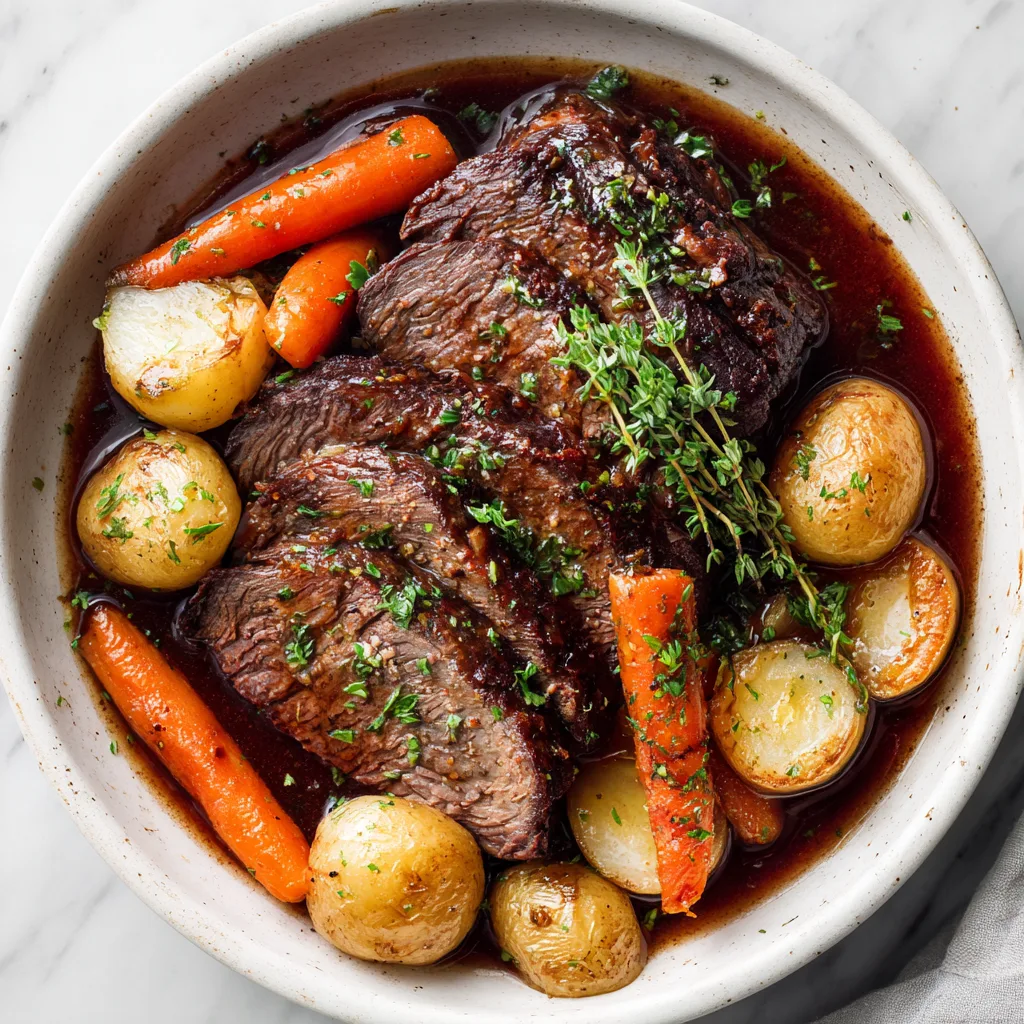
Ultimate Red Wine Pot Roast: A Guide to Fork-Tender Perfection
There's something uniquely comforting about a pot roast. The aroma filling your kitchen, the promise of tender, melt-in-your-mouth beef, and a rich, savory sauce just waiting to be spooned over fluffy potatoes. While a classic pot roast is undeniably delicious, imagine elevating this beloved comfort food to an extraordinary level of sophistication and flavor. This is precisely what happens when you introduce the magic of red wine.
Our guide to the ultimate red wine pot roast is designed to transform a humble cut of beef into a culinary masterpiece. We're talking about beef so tender it practically falls apart with a gentle nudge of a fork, bathed in a deep, complex sauce infused with the robust notes of red wine, aromatic vegetables, and fragrant herbs. It's a dish that feels incredibly gourmet yet is surprisingly simple to prepare, requiring mostly hands-off cooking time. Get ready to impress your family and friends and experience pot roast like never before.
The Magic Behind Red Wine Pot Roast Perfection
Why does red wine make such a dramatic difference in a pot roast? The answer lies in its unique properties that enhance both the texture and flavor of the beef. While traditional pot roasts are fantastic, the incorporation of red wine adds a layer of depth and sophistication that is simply irresistible.
- Tenderizing Power: The acidity in red wine acts as a natural tenderizer, slowly breaking down the tough connective tissues in cuts like chuck roast. This lengthy, gentle process results in beef that is incredibly succulent and literally fork-tender.
- Unrivaled Flavor Depth: Red wine brings a complex flavor profile to the dish. As it simmers, the alcohol evaporates, leaving behind concentrated fruity, earthy, and sometimes spicy notes that deeply infuse the beef and vegetables. This creates a more nuanced and richer sauce than broth alone could achieve.
- Balancing Act: The acidity of the wine also plays a crucial role in balancing the richness of the beef and other ingredients. It brightens the overall flavor, preventing the dish from becoming overly heavy.
- Umami Boost: The tannins and other compounds in red wine contribute to a savory, umami-rich sauce. This umami sensation is what makes the sauce so addictive, perfect for drizzling generously over every component of your meal.
Beyond the scientific benefits, there's an undeniable allure to slow-cooking with red wine. As your pot roast gently braises, your kitchen will fill with an intoxicating aroma that promises an unforgettable meal. This "hands-off" cooking approach allows you to relax and enjoy the anticipation, making it a perfect dish for cozy Sunday dinners or special occasions.
Laying the Foundation: Choosing Your Ingredients Wisely
The success of your ultimate red wine pot roast begins with selecting the right ingredients. Each component plays a vital role in building the incredible flavors and textures of the final dish.
Selecting the Ideal Cut of Beef
The best cuts for pot roast are those that are well-marbled and contain a good amount of connective tissue. These "tougher" cuts are transformed by slow cooking, becoming incredibly tender and flavorful. Aim for a roast that's at least 3-4 pounds to ensure plenty of generous servings (and hopefully some delicious leftovers!).
- Chuck Roast: The undisputed champion of pot roasts. Also known as blade roast or chuck shoulder, this cut is widely available, relatively inexpensive, and boasts excellent marbling and flavor. Look for a roast with visible streaks of fat throughout.
- Brisket: While famed for smoking, brisket also excels as a pot roast. Its dense, fibrous texture breaks down beautifully over long cooking times, yielding exceptionally tender and flavorful meat.
- Shoulder Roast: Similar in characteristics to chuck roast, shoulder roast offers a fantastic balance of flavor and tenderness when slow-cooked.
- Round Roast: A leaner option, such as bottom round or top round, can still work, but it requires careful attention to moisture. Ensure ample liquid and consider adding a bit more olive oil during searing to aid browning and prevent drying.
Deciphering the Perfect Red Wine
The red wine you choose will significantly impact the character of your pot roast. Opt for a dry, full-bodied red wine with plenty of flavor. Remember, if you wouldn't drink it, don't cook with it!
- Cabernet Sauvignon: A classic and robust choice. Cabernet offers bold fruit flavors (blackcurrant, cherry) and a firm tannic structure that stands up well to beef.
- Merlot: A softer, more approachable option than Cabernet, Merlot provides rich plum and cherry notes with softer tannins, contributing to a smoother sauce.
- Syrah/Shiraz: For those who appreciate a peppery, spicy kick, Syrah (or Shiraz) is an excellent choice. It adds dark fruit flavors and often hints of black pepper or even smoke.
- Zinfandel: Known for its jammy fruit, blackberry, and often spicy notes, Zinfandel can add a wonderfully vibrant and complex layer to your pot roast.
- Pinot Noir: While lighter-bodied, a robust Pinot Noir can still contribute elegant red fruit and earthy undertones. Ensure it's not too delicate to stand up to the beef.
For more detailed insights into selecting the best cuts and wines for your perfect pot roast, explore our guide on Choosing Beef Cuts & Wine for Your Perfect Pot Roast.
Essential Aromatics and Flavor Boosters
These unsung heroes build the foundational layers of flavor:
- Tomato Paste: A small but mighty ingredient, tomato paste offers concentrated umami, a touch of acidity, and a rich, savory depth. Sautéing it briefly helps to unlock its full flavor potential.
- Onions, Celery, Garlic: The classic mirepoix (with garlic added), these aromatics provide a sweet, savory, and pungent base that permeates the entire dish.
- Beef Broth: The main liquid component, complementing the red wine and providing additional savory notes.
- Orange Marmalade: This might sound unusual, but it's a secret weapon! The marmalade introduces a subtle sweetness, a bright citrus note, and a hint of bitterness from the rind, all of which beautifully balance the rich beef and deep wine flavors. It also helps to thicken the sauce slightly.
- Fresh Herbs: Rosemary and thyme are perfect partners for beef and red wine, lending their earthy, fragrant notes to the braising liquid.
The Root of Greatness: Hearty Vegetables
No pot roast is complete without an array of tender, flavorful vegetables soaking up all that incredible sauce. Carrots, potatoes, and parsnips are traditional choices, adding sweetness, starchiness, and earthy notes.
Mastering the Method: Your Step-by-Step Guide to Fork-Tender Pot Roast
With your ingredients selected, it's time to bring this masterpiece to life. The process is straightforward, but each step contributes significantly to the final outcome.
- Prepare Your Workspace & Preheat Oven: Begin by preheating your oven to a steady 275 degrees F (135 degrees C). This low and slow temperature is key to achieving that coveted fork-tender texture. Choose a heavy, ovenproof pot with a tight-fitting lid – a Dutch oven is ideal.
- Sear for Deep Flavor: Heat a generous drizzle of olive oil in your pot over high heat until shimmering. Season your 3-4 pound roast generously with salt and freshly cracked black pepper on all sides. Carefully place the beef in the hot oil and sear vigorously for about a minute per side, developing a rich, golden-brown crust. This critical step, known as the Maillard reaction, creates complex flavors that will deepen during cooking. Remove the seared beef to a plate.
- Build the Aromatic Base: Reduce the heat to medium-high. Add your chopped onions, celery, and minced garlic to the pot. Stir and cook until the vegetables begin to soften, typically 2 to 3 minutes. Now, stir in the tomato paste and cook for another minute or two, allowing it to caramelize slightly and release its concentrated flavors.
- Deglaze with Glorious Wine: Pour in your chosen red wine. Immediately use a wooden spoon or spatula to scrape up all those flavorful browned bits (fond) stuck to the bottom of the pot. This deglazing step is crucial for incorporating all the rich flavors developed during searing and sautéing. Stir in the beef broth and the orange marmalade, ensuring it dissolves completely.
- Assemble and Braise to Perfection: Return the seared beef to the pot, nestling it into the liquid. Arrange your chopped potatoes, carrots, and parsnips around and on top of the roast. Tuck in sprigs of fresh rosemary and thyme. Gently push the vegetables and herbs into the liquid so they're partially submerged. Place the lid securely on the pot, transfer it to your preheated oven, and let the magic happen.
- The Patient Wait: Roast for 3 to 4 hours, or until the meat is undeniably fork-tender. For a typical 3-pound roast, aim for at least 3 hours. The meat should easily shred with minimal effort. Resist the urge to frequently lift the lid, as this releases precious steam and heat, slowing down the cooking process. As it braises, the liquid transforms into a magical, intensely flavorful sauce.
- Serve with Style: Once cooked, carefully transfer the roast to a large serving platter. Don't worry if it falls apart – that's the ultimate sign of success! Arrange the tender vegetables around the beef. Spoon generous amounts of the rich, savory sauce from the pot over the roast and vegetables. This is total, unmistakable comfort food at its finest.
Expert Tips for Pot Roast Prowess
To ensure your red wine pot roast is nothing short of spectacular, keep these expert tips in mind:
- Don't Skip the Sear: The initial searing of the beef isn't just for looks; it's fundamental for developing deep, complex flavors that define a truly great pot roast.
- Patience is a Virtue: The low and slow cooking method is non-negotiable for achieving that fork-tender texture. Don't be tempted to crank up the heat to speed things along, as this will result in tough, dry meat.
- Deglaze Thoroughly: Those browned bits at the bottom of the pot (fond) are packed with flavor. Ensure you scrape them all up when adding the wine and broth.
- Keep the Lid On: Maintaining a consistent, humid environment inside the pot is crucial for tenderizing the beef. Avoid peeking too often.
- Rest Your Roast: After removing from the oven, allow the pot roast to rest, covered, for 10-15 minutes before serving. This allows the juices to redistribute, ensuring maximum moisture and flavor.
- Taste and Adjust: Before serving, taste the sauce. You might want to add a pinch more salt or pepper, or even a tiny splash of red wine vinegar for an extra bright finish.
- Make Ahead Magic: Pot roast is often even better the next day! The flavors have more time to meld and deepen. Cool completely, then refrigerate. Reheat gently on the stovetop or in the oven.
Conclusion
Crafting the ultimate red wine pot roast is more than just following a recipe; it's about embracing a process that transforms simple ingredients into an extraordinary culinary experience. From the careful selection of a well-marbled chuck roast to the strategic inclusion of red wine and aromatic vegetables, every step contributes to the final, unforgettable result. The reward is a dish that embodies true comfort, where the beef is so incredibly fork-tender it practically melts in your mouth, enveloped in a rich, complex sauce that will have everyone asking for seconds. So, gather your ingredients, set aside a few hours, and prepare to create a red wine pot roast that will become a cherished tradition in your home.
